GE Drives Physical AI in Factories with Open Platforms and Advanced Robotics
Jan 24, 2026
Open Platforms Transform Industrial Automation GE is adopting open platforms to increase flexibility in industrial automation. By connecting robots to cloud and edge computing resources, manufacturers can process data in real time and integrate advanced automation solutions across production lines. This approach allows companies to introduce new technologies without replacing existing systems, ensuring smooth operations while leveraging modern industrial automation parts.
ROS 2 and Python Enable Smarter Robots GE has released a ROS 2 driver for its robots as open-source software, enabling developers to integrate them into standard robotic frameworks. Standard Python support allows for easy implementation of AI-based control and automation. These tools make it possible to deploy Physical AI on factory floors, giving manufacturers, research institutes, and startups the ability to experiment with new workflows while maintaining high reliability.
High-Performance Control Across GE Robots The ROS 2 driver supports a range of GE robots, from compact units to heavy-duty systems. This ensures consistent performance across production lines and simplifies spare parts management, even in complex operations with multiple robot models.
Digital Twins and Simulation with NVIDIA GE robots can be simulated in photorealistic digital factories using NVIDIA Isaac Sim. Integrating simulation software allows manufacturers to test workflows, robot movements, and cycle times in a virtual environment before deployment. This reduces downtime, improves efficiency, and supports accurate industrial spare parts planning and predictive maintenance.
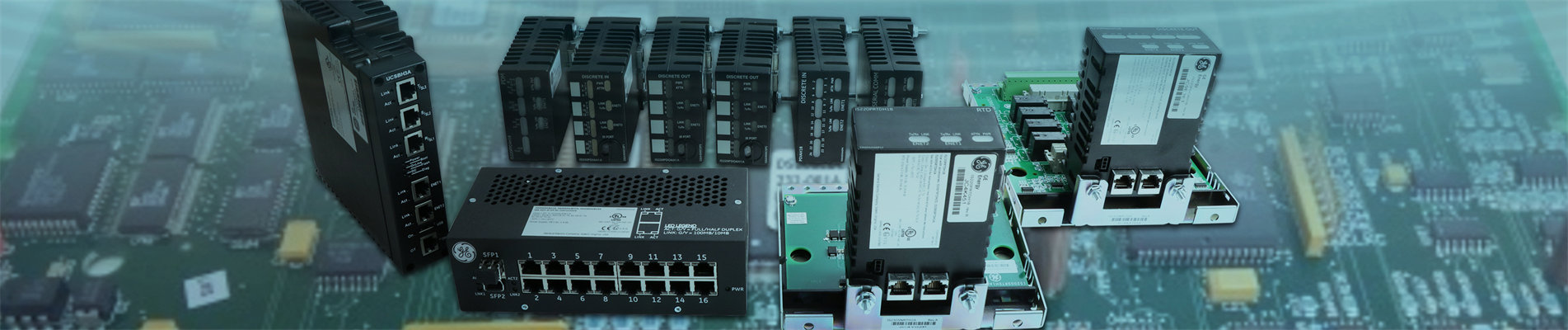
GE Control Systems and Industrial Spare Parts Reliable control hardware is essential for automation. We supply a full range of GE control and I/O systems, including: IC200 IC693 / IC694 / IC695 IC697 / IC698 IC754 operator interfaces Using genuine industrial spare parts ensures smooth operations, reduces unplanned downtime, and supports long-term factory reliability. Effective spare parts management is key to maintaining consistent production.



 IPv6 network supported
| Sitemap
| XML
| Private Policy
| Terms and Conditions
IPv6 network supported
| Sitemap
| XML
| Private Policy
| Terms and Conditions
 MAIL US
 CAIL US



 Tell Us Your Needs !