How the GE Mark VIe System Supports Integrated Plant Control—and How the Right Spare Parts Keep It Running
Dec 20, 2025
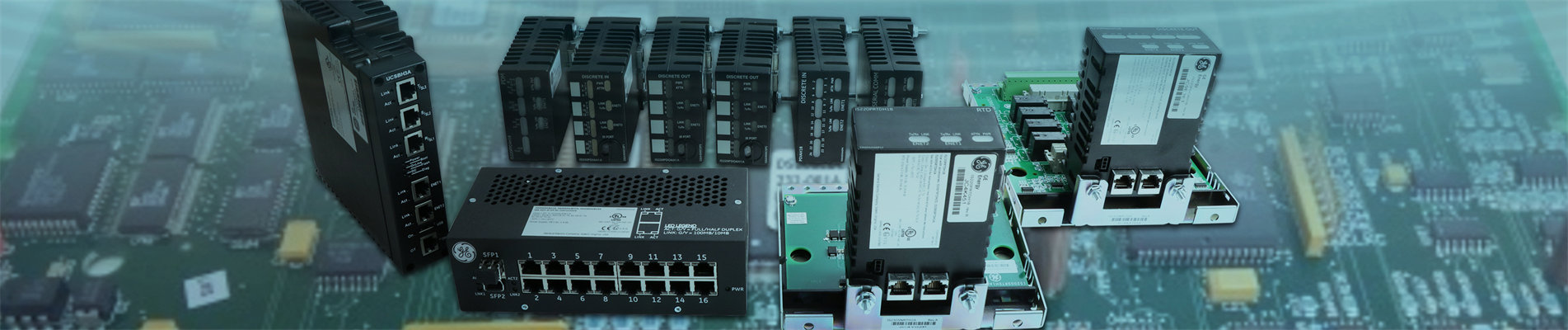
What Is the GE Mark VIe Distributed Control System? The GE Mark VIe distributed control system (DCS) is a core platform used in modern power plants to manage turbines, balance of plant (BOP), electrical systems, and auxiliary processes under one unified control architecture. Built on open standards and modular hardware, Mark VIe enables plant-wide integration while maintaining high reliability and real-time responsiveness. From our perspective as a global supplier of GE Mark VIe spare parts, we see this system widely deployed not only in new installations but also in long-running plants that require continuous availability, stable operation, and dependable replacement components.
Why Integrated Plant Control Makes Spare Parts Strategy More Important? One of the biggest advantages of the Mark VIe system is that it unifies control, diagnostics, alarms, and data management across the entire facility. However, this integration also means that hardware stability is critical—a single failed module can impact multiple subsystems. That's why plant operators increasingly focus on: Maintaining ready-to-ship Mark VIe interface boards, controllers, and I/O modules Reducing downtime caused by obsolete or long-lead-time components Planning spare parts inventories alongside lifecycle cost management A well-prepared spare parts strategy supports the system’s benefits, such as reduced alarms, faster commissioning, and high availability exceeding 99.9% system reliability.
Where Mark VIe Spare Parts Play a Role in Daily Operation? In real-world plant environments, Mark VIe spare parts are most often required during: Routine equipment maintenance Unexpected module failures System expansion or partial upgrades Replacement of aging or discontinued hardware Key components commonly involved include: Interface and communication boards Power supply modules I/O packs and terminal boards Controller-related assemblies While we do not provide system debugging or control logic support, we help to provide brand new products with one year warranty.
When to Prepare for Mark VIe Maintenance and Replacement? Many Mark VIe systems have been operating reliably for years. Over time, natural hardware aging, environmental factors, and higher operational demands make preventive spare parts planning essential. Best practices we frequently see include: Stocking critical Mark VIe modules before failure occurs Replacing parts during planned outages rather than emergency shutdowns Paying attention to obsolescence risks in legacy Mark control migrations Preparing early reduces commissioning risk, minimizes disruption during plant turndown or startup sequencing, and supports smoother lifecycle cost control.
How Spare Parts Support Performance, Reliability, and Risk Management? Integrated plant controls are designed to bring facilities to a safe state quickly during load disturbances or shutdowns. This capability depends heavily on healthy control hardware. Reliable spare parts contribute to: Faster recovery from load loss events Stable startup and shutdown sequencing Reduced operational risk during abnormal conditions Long-term business continuity planning From a maintenance standpoint, having the right Mark VIe spare parts available is one of the simplest and most effective ways to support plant resilience—without modifying control logic or system architecture.
Conclusion: Keeping GE Mark VIe Systems Reliable with the Right Spare Parts The GE Mark VIe DCS is a powerful foundation for integrated plant control, offering efficiency, scalability, and high reliability across power generation assets. While system performance depends on engineering and operational strategy, hardware availability remains a decisive factor in real-world plant uptime. As a dedicated supplier of GE Mark VIe spare parts, our role is clear: to help power plants maintain continuity, reduce downtime, and manage lifecycle risks by providing reliable, ready-to-ship industrial automation components—without altering system design or providing technical control services. When integrated plant controls are supported by the right spare parts strategy, plants stay ready—not just to operate, but to respond, recover, and perform with confidence.



 IPv6 network supported
| Sitemap
| XML
| Private Policy
| Terms and Conditions
IPv6 network supported
| Sitemap
| XML
| Private Policy
| Terms and Conditions
 MAIL US
 CAIL US


 Tell Us Your Needs !